Tulsa Adds Four Basketball Suites With Playfly Funding the Build
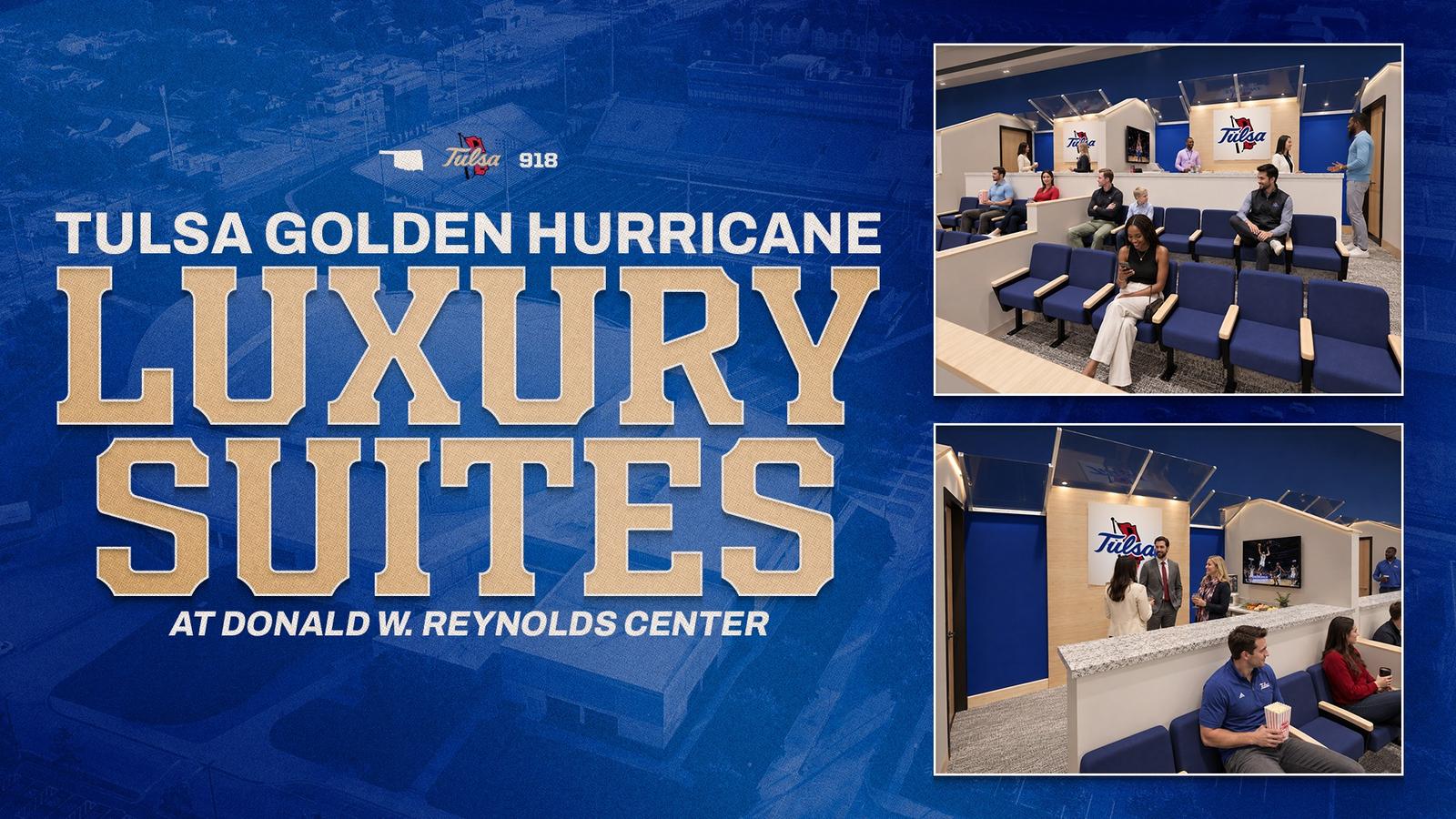
The University of Tulsa plans four 16-seat luxury suites at the Reynolds Center for 2026–27, with ticketing partner Playfly Sports providing the upfront renovation capital.


The University of Tulsa will add four luxury suites to the Donald W. Reynolds Center ahead of the 2026–27 basketball season. Each suite is planned with 16 seats, a television and the option for private catering and drinks. The differentiator is who pays to create them: Playfly Sports, Tulsa’s ticket sales partner, will provide the renovation’s upfront capital.
Playfly has handled the university’s ticket sales, service and donor-relationship management since 2021. Tulsa athletics director Justin Moore said the partnership has helped sell out all football premium seating for three consecutive years. The basketball expansion gives that same commercial relationship a physical product to sell inside the arena.
The project is modest in scale but meaningful for the building’s premium mix: four 16-seat suites represent up to 64 new suite seats. They join an existing basketball offer that Tulsa markets with courtside seats, Legacy Loge and Summit suite products. The university’s announcement did not identify the suites’ location, lease terms, pricing, construction cost or how future revenue will be shared with Playfly.
Those missing terms matter when evaluating the model. Playfly’s capital contribution reduces Tulsa’s immediate need to fund the renovation itself, but the public announcement does not establish how much financial risk each side ultimately retains. Playfly executive Chad Cardinal framed the investment around research showing demand for premium inventory and the prospect of accelerating long-term revenue.
The timing is tied to the upcoming basketball calendar. Tulsa has said its men’s team opens at home on November 2 against Ottawa, the first of eight nonconference home dates. The Reynolds Center also hosts women’s basketball and volleyball, giving the new spaces potential use beyond a single team’s games. The school has not specified which events will be included in suite agreements.
For athletic departments, the notable play is the link between capital and sales execution. Rather than announce premium construction in isolation, Tulsa is extending an existing ticketing and donor partnership into an arena asset. The test will be whether the new suites reach market on schedule and generate enough demand to justify the partner-funded build.